A solo travel planning app has to answer the questions a companion normally would, or you're just alone with better logistics.
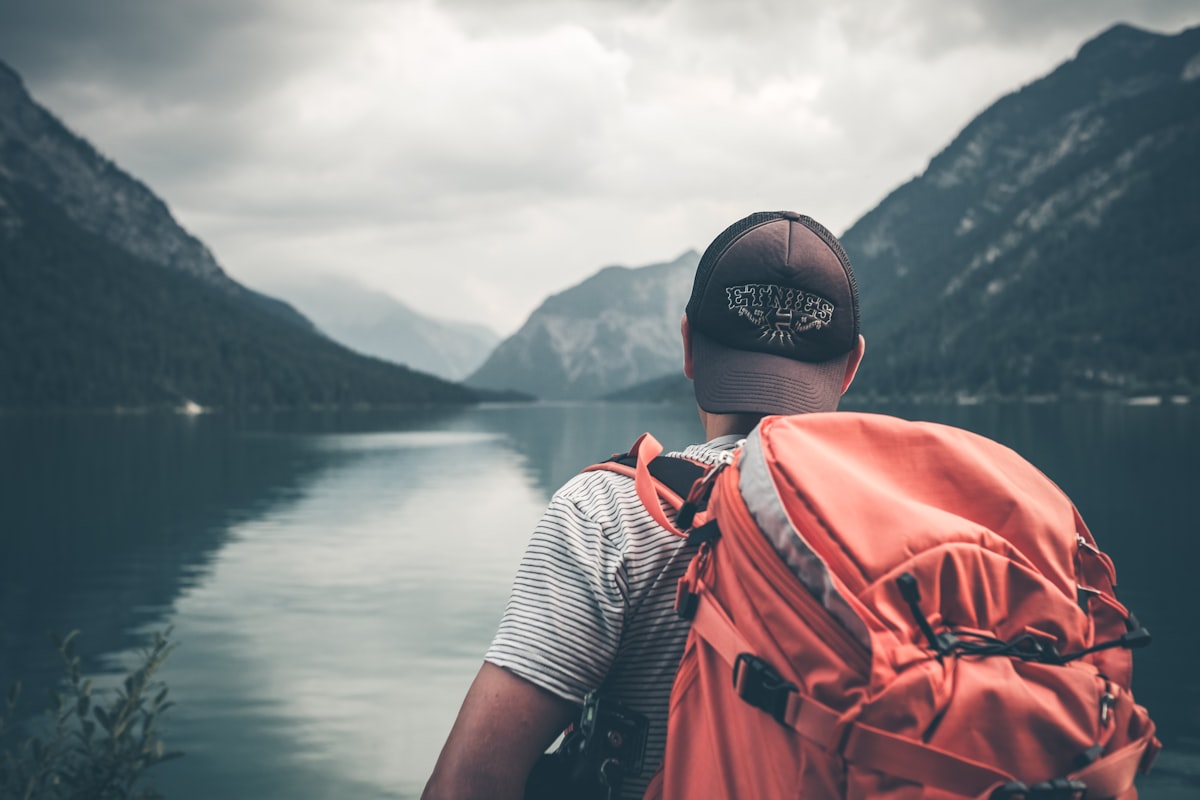
You round a corner alone and there's a building worth stopping for, something carved into the stone facade that clearly means something, and there's nobody beside you to lean over and ask about it. Traveling with someone else, that question gets asked out loud, half the time answered by a guess, half the time by someone actually looking it up. Traveling solo, the question just hangs there, and most people keep walking rather than stand alone fumbling through three search results. A solo travel planning app that only handles logistics, bookings, a map, a schedule, misses the specific thing solo travel actually takes away: the person who'd have known, or at least wondered out loud with you.
What solo travel planning already does well
Most trip planning tools handle the logistics of traveling alone perfectly well. Booking one seat instead of coordinating four schedules is simpler, not harder. A solo itinerary can move at exactly your pace without a group vote on whether to linger at the museum or head straight to lunch. The planning half of solo travel isn't the hard part, and no honest piece about this should pretend otherwise.
If anything, solo trips get planned with more care than group ones, precisely because there's nobody else to catch a mistake. A wrong hotel neighborhood or a missed connection lands on one person, fully, instead of getting absorbed and joked about by a group. That extra care shows up in how carefully solo travelers tend to research before departure.
The part that's harder to plan for comes after the booking's done: the actual hours spent alone in an unfamiliar place, filled with small moments that would normally get narrated by whoever you were with.
Most guides written for solo travelers focus on safety and logistics, and both matter. What they rarely mention is this quieter thing: the specific texture of moving through a city with nobody to talk to about what you're seeing, in real time, as you see it.
Call it something other than loneliness. It's a smaller, more specific itch: a question about the building on the corner, or why a line has formed outside a shop at nine in the morning, that never gets voiced because there's nobody standing next to you to ask. One unasked question doesn't register. Forty of them across a day quietly wear on a person.
The specific thing that goes quiet
It's not the big decisions that miss a second person. It's the small, constant narration.
The "what is this" that never gets asked.
Traveling with someone, half the value of a trip is the running commentary: what's that, why's everyone lined up there, is this worth the wait. Alone, those questions either get answered by pulling out a phone and searching, standing conspicuously in the middle of a plaza, or they don't get answered at all.
The pace nobody's checking against.
A companion notices when you've been on your feet for four hours and suggests sitting down. Traveling solo, that check-in doesn't happen unless you build it into the day yourself, and it's easy to just keep going until you're worn out without quite noticing.
The decision made twice, once in your head and once out loud.
With someone else, a decision like which direction to walk gets made once, out loud, and then it's done. Alone, the same decision often gets made twice: once quickly in your own head, then second-guessed a block later with nobody to either confirm it or talk you out of it.
A companion for the questions, even when you're the only one there
Solo doesn't have to mean alone with your questions. It just means nobody else is there to answer them out loud.
Voyagera's pocket audio guide narrates a stop the moment you're in range of it, unprompted, the way a companion would lean over and start talking without being asked. There's no tour to search for or download first, either, no second app to open and no catalog to pick the right walk out of: the guide for wherever the itinerary already points is simply there, waiting.
It doesn't replace conversation, and it isn't trying to. What it replaces is the specific silence of standing in front of something worth explaining with nobody there to explain it, which is a narrower and more solvable problem than solo travel's loneliness in general.
There's something else it does, almost as a side effect: it gives you something to think about besides being watched. A lot of the self-consciousness of traveling alone, standing somewhere for a long moment with no clear reason to a passerby, eases when there's a reason already in your ear, a piece of context making sense of why you're standing exactly there.
Planning: a trip built for one, from the first question
A few questions about pace, interests, and how much walking feels right produce a plan that's actually built around one traveler's preferences, not a compromise between several. Nothing has to get diluted to keep a group happy, because there's no group to negotiate with.
That specificity compounds over several solo trips, too. A history of what got liked, the museums lingered in, the neighborhoods walked slowly, quietly sharpens what gets suggested next time, without ever having to be filtered through anyone else's preferences first.
On the ground: the voice in your ear that isn't a stranger's
The guide works offline, which matters more when you're solo than when you're not: there's nobody else's phone to borrow if yours loses signal in a museum basement or on a hiking trail with no bars for the next hour. It's already downloaded, already waiting, ready the moment you need it.
There's a practical safety dimension here too, worth naming plainly. Knowing what's coming next on the day, without having to stop and search for it in an unfamiliar neighborhood, is one less moment spent looking distracted and lost in a place where that matters more when you're on your own.
Weather and delays: one less thing to figure out alone
A rained-out afternoon is a bigger decision to make solo than with a group to bounce ideas off. The itinerary's own reorder logic proposes the fix instead of leaving you standing in a hostel lobby weighing options by yourself.
With a group, a change in plans gets talked through, everyone weighing in until something sticks. Alone, that conversation doesn't exist, so having a reasonable suggestion already waiting removes exactly the kind of decision that's more tiring to make solo than it should be. Accepting it or dismissing it is still one tap, not a debate held entirely inside your own head.
After the trip: a record that doesn't rely on someone else's memory
Traveling with others, a trip gets remembered collectively, someone else's photos filling gaps in your own. Traveling solo, the record is entirely yours to build or lose. Voyagera's Passport builds it automatically from the itinerary and the guide, so nothing depends on you remembering to log a day you were too tired to write about that night.
Six months later, flipping back through a solo trip nobody else can help fill in the gaps of, that automatic record matters more than it would for a trip taken with company. There's no group chat to scroll back through for the name of that restaurant. There's just what got saved at the time, which is exactly why it has to save itself.
What a solo travel app doesn't replace
An audio guide answers "what is this." It doesn't replace an actual conversation with another person, and nobody should expect it to. The specific value of talking to a stranger at a hostel bar, or a local who overhears you're lost, is a human exchange no app is trying to substitute for. What Voyagera actually addresses is narrower: the quiet, constant curiosity that used to have nowhere to go.
It also doesn't make a genuinely unfamiliar place feel familiar on its own. Nerves before a first solo trip are real, and no amount of narration removes the honest unfamiliarity of standing somewhere new without anyone else's judgment to lean on. What it can do is make the smaller, constant part of that experience, the not-knowing-what-you're-looking-at part, a little less present.
That's a modest claim on purpose. A first-time solo traveler weighing whether to go at all is making a much bigger decision than which app to plan with, and no amount of clever software should pretend to settle that decision for them.
Getting started
Build the next solo trip around your own pace, without adjusting it for anyone else's preferences. Let the guide answer the questions that would otherwise just hang there unanswered, and notice how much of solo travel's quiet feeling was really about not having anyone to ask, not about being alone itself.
A short trip, a long weekend somewhere new and close, is a reasonable place to test that theory first. It's a small enough stretch of time to notice whether the quiet actually lifts, without committing an entire vacation to finding out.
A voice in your ear that already knows what you're looking at.
Get the appFree to plan. Yours to remember.